Seasonal Practice: Living with the Cycles
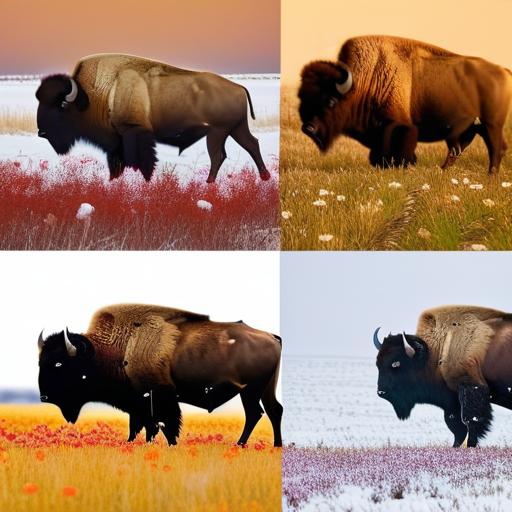
The Pulse of the Prairie
To the modern world, the year is divided into four calendar quarters and thirty-day months. But the Great Plains do not recognize the Gregorian calendar. On the prairie, time is not a linear march of numbers; it is a Circle of Events. The year is defined by the arrival of the meadowlark, the first crack in the river ice, the ripening of the Juneberry, and the first frost that “sweetens” the Breadroot.
Ethnobotany is, at its core, the study of Phenology—the science of timing. If you are one week too early, the medicine is not yet potent; if you are one week too late, the birds have taken the seeds or the stalks have vanished into the grass. In this 2,100-word Series finale, we explore the traditional seasonal cycles of the Plains, the concept of “Bio-Indicators,” and how to align your own practice with the eternal pulse of the land.
1. Phenology vs. The Calendar
Phenology is the study of periodic biological phenomena. Instead of looking at a watch, the practitioner looks at the relationship between species.

The Bio-Indicator System
Traditional Plains harvesters utilized one event to signal the readiness of another. This is a far more accurate system than a calendar because it accounts for the variability of the weather.
- The “Yellow Flower” Signal: Among the Cheyenne, the blooming of the Gumbo Lily (Oenothera) was a signal that the bison were beginning to move toward their summer grazing grounds.
- The “Cricket” Signal: When the first cricket begins its song in the late summer, it is the signal that the starch-rich roots have finished their growth and are ready for the long-term storage caches.
- The “Willow” Signal: The bark of the willow can only be peeled when the “sap is running.” This state is signaled not by a date, but by the first swelling of the cottonwood buds across the valley.
2. Spring: The Resurrection of the Green
After the long, white silence of the Fuel Series’ winter, Spring is a time of biological emergency. The body is starved for vitamins and minerals.
The Ethic of the “First Green”
The Spring Greens (Stinging Nettle, Wild Onion, Shepherd’s Purse) are the “tonic” of the year. They stimulate the liver and clear the system of the heavy fats of the winter diet.
- The Harvest Logic: In the spring, the “spirit” of the plant is in the leaves and shoots. You harvest before the plant puts its energy into a flower. Once the flower blooms, the chemistry of the leaf often shifts—becoming bitter or even mildly toxic as the plant defends its reproductive cycle.
3. Summer: The Peak of the Sun
Summer is the time of Fruiting and Fiber. The intense UV radiation of the High Plains triggers the production of complex secondary metabolites in the plants—the very compounds we seek for medicine and dye.
The Ripening Chain
There is a specific sequence to the summer harvest that creates a “moveable feast” across the Plains:
- Wild Strawberries: June (The “Strawberry Moon”).
- Juneberries/Serviceberries: Early July.
- Buffalo Berries: Late July/August.
- Chokecherries: August/September.
Following this chain required the people to move with the ripening, a nomadic rhythm anchored to the botanical clock.
4. Fall: The Season of the Root and the Seed
As the days shorten and the first touch of frost hits the grass, the plants perform an act of Internal Migration. They move their sugars, starches, and medicinal compounds from the leaves down into the Roots and Seeds.
The Starch Harvest
This is the peak time for harvesting Breadroot (Psoralea esculenta) and Jerusalem Artichoke (Helianthus tuberosus).
- The Science of Frost: Many roots—especially the wild members of the sunflower family—are actually bitter until the first frost. The cold triggers a chemical reaction that converts complex starches into simpler, sweeter sugars (like Inulin). Harvesting too early means losing the caloric and flavor peak of the crop.
The Seed Bank
Fall is also the time of the Honorable Harvest for seeds. The practitioner becomes a “seed-spreader,” carrying the dried heads of the Sunflower or the Sage across the prairie, ensuring that the harvest of today becomes the forest of tomorrow.
5. Winter: The Ethnobotany of the Dead
Contrary to modern belief, the ethnobotanical year does not end in winter. It merely changes its focus to Bark, Fuel, and Caches.

The Winter Hunt for Roots
Even under a foot of snow, the “skeletons” of the prairie plants remain visible to the trained eye. The dried, blackened stalks of the Echinacea or the tall, rattling pods of the Wild Indigo act as flags. Skilled harvesters could dig through the snow and the frozen crust to reach fresh biennial roots that provided essential carbohydrates when other food was scarce.
Bark Medicines
Winter is the ideal time for harvesting the inner bark of trees like the Western Red Cedar or the Slippery Elm. During dormancy, the “cambium layer” is concentrated and less likely to attract insects. These bark medicines were the “winter pharmacy” for respiratory infections and skin conditions.
6. Living with the Cycles: A Modern Protocol
How do we reconnect with these cycles in a world of fluorescent lights and grocery stores?
- The Phenology Journal: Start a notebook. Don’t write dates; write events. “The day the first Bumblebee appeared, the Wild Plum was in bloom.”
- The “No-Harvest” Year: For your first year on a new piece of land, do not harvest anything. Simply observe. Move through the Seasonal Wheel and watch how the plants change from shoot to seed. This is the only way to earn the “right” to harvest.
- Climate Shift Awareness: We must acknowledge that the cycles are changing. “April” no longer means what it did to our grandfathers. By watching the Bio-Indicators rather than the calendar, we adapt to the changing climate alongside the plants.
7. The Ethical Conclusion of the Series
This concludes our Ethics Deep-Dive Series. We have traveled from the Philosophy of Reciprocity to the Science of Safety, from the Respect of Data to the Passing of the Story, and finally to the Records of the Past and the Cycles of the Present.
Ethnobotany is not a hobby. It is a way of being human that recognizes our profound interdependence with the “Green People.” When you walk into the prairie, you are not walking into a store; you are walking into an ancient, complex, and loving family.
Live with the cycles. Tell the stories. Protect the land. And always, always give the first gift back to the earth.
Technical Summary: The Seasonal Shift in Plant Chemistry
| Season | Primary Plant Target | Physiological Goal | Key Ethics Protocol |
|---|---|---|---|
| Spring | Leaves & Shoots | Minerals, Tonics | Take only the first “nick” |
| Summer | Fruits & Fibers | Sugars, Tannins | Leave for the birds/animals |
| Fall | Roots & Seeds | Starches, Oils | Shake the seeds, re-plant crowns |
| Winter | Bark & Fuel | Resins, Lignins | Forage “down-wood” first |
Recommended Tools for Seasonal Tracking
- A Quality Thermometer/Barometer: For tracking the “Micro-Climates” of your foraging patches.
- “Nature’s Calendar” by Aldo Leopold: A classic guide to phenological observation.
- Bird Identification Guide: Because birds are the most reliable “messengers” of seasonal shift.
View Phenology and Seasonal Observation Gear on Amazon
This concludes Batch 3 of the Spirit Native Foods archive. Next: Plant Collections Batch 2.