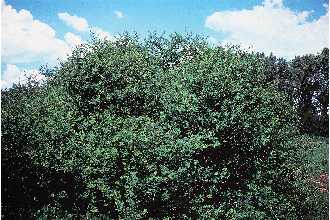
skunkbush sumac
Rhus trilobata Nutt.
Traditional Food Use
The fruits are eaten raw or dried for later.
Berries are beaten with sugar and eaten
Berries boiled into a "tea"
Berries mixed with corn meal and eaten
Fruit eaten raw. Fruit made into jelly
Medicinal Documentation
A poultice of the root bark
The leaves can be boiled to make a diuretic tea, and the fruits eaten to relieve the pain of a toothache.
Leaves used in a medicine to deal with bleeding, the preparation of which is unknown
Used as a cold remedy
Used as a hemostat
Used as a reproductive aid
Bark chewed and juice swallowed for colds.
Berries eaten for stomach trouble and grippe
Poultice of plant parts applied to snakebites after sucking poison from the wound.
Ceremonial & Cultural Notes
Used for smoking Additional commentary: The dried leaves are mixed with tobacco for use in smoking; the berries are not used. If the Indians were out of tobacco, they often mixed this plant with larbe and red-willow bark and this made a useful smoking mixture. These leaves are used in a variety of ways. They can be dried and mixed with tobacco in a smoking blend, or when tobacco is not available, they can be mixed with Arctostaphylos uva ursi and the inner bark of Cornus stolonifera.
This plant also plays a role in several horse medicines. The berries would be rubbed in four directions on a horse having trouble urinating, or to prevent racing horses from getting tired. Also in racing, it was thought to make weary a horse positioned ahead
This plant was used to protect the hands in retrieving dog meat from a boiling pot of water in various ceremonies
Botanical Reference
Parts Documented: root, fruit_or_berry, bark, berries, leaves, plant
Distribution: Grows along streams on the plains and foothills; Alberta, Canada to New Mexico