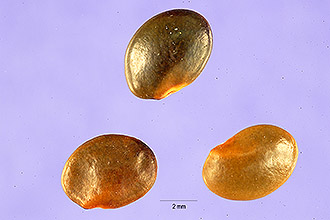
large Indian breadroot; Indian Potato; Indian Breadroot
Psoralea esculenta Pursh
Traditional Food Use
Roots dug, dried, and eaten whole or pounded into meal. | Shared Plains: Roots dug, dried, and eaten whole or pounded into flour; key winter food. | Crow: Roots dug, dried, and eaten as staple food. | Arapaho: Roots dug, dried, and eaten as staple food; stored for winter. | Kiowa: Roots dug and dried; important travel food. | Comanche: Prairie turnip roots eaten dried or cooked.
Dried plant pieces powdered and used as a thickening for soups, gravy and dry meat
Dried plant slices boiled, a sweetener added and eaten as a sweet pudding
Roots dried and eaten as a winter food Additional commentary: Roots formerly cut into thin, lengthwise slices and dried for winter use.
Roots eaten fresh
Used for food. Species used for food
Eaten, similar to a potato
Used as a food
Medicinal Documentation
Used to treat digestive weakness and as strengthening food. | Shared Plains: Strengthening food; mild digestive support. | Crow: Used to restore strength after illness. | Arapaho: Strengthening food during recovery from illness. | Kiowa: Strengthening food during illness recovery. | Comanche: Used to restore strength.
Plant used as a diarrhea medicine
Plant used as a burn medicine
Plant used as an ingredient for medicinal mixtures
The turnip served as an ingredient in medicinal mixtures including one for burns that also contains ‘bear mint’ and Koeleria cristata.
It was part of a diarrhea medicine
Ceremonial & Cultural Notes
Ceremonially, this turnip played a part long ago within a certain religious order. In a yearly animal dance, those participating would flagellate themselves with this plant, as part of a petition for tribal prosperity Additional commentary: Moerman refers to this plant as Pediomelum esculentum.585
Botanical Reference
Parts Documented: root, plant, Not specified in the literature
Distribution: Native to Great Plains; documented Cheyenne use; Widespread native Plains species; multi-tribal use documented; Native Plains species; documented Crow use; Manitoba to North Dakota and Wisconsin, south to Missouri and Texas; rocky woods and prairies, on calcareous soils