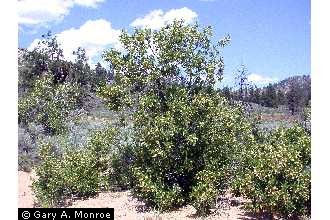
chokecherry
Prunus virginiana L.
Traditional Food Use
The roots are edible, | Cheyenne: Berries dried whole and pounded into pemmican. | Shared Plains: Berries dried and pounded with meat and fat into pemmican. | Arapaho: Berries dried and pounded into pemmican with meat and fat. | Blackfeet: Berries dried and mixed into pemmican. | Comanche: Berries eaten fresh or dried. | Wichita: Berries eaten fresh or dried.
Fresh fruits used for food. Stored fruits used for winter use and to make pemmican
Collected and somewhat dried; then mashed and made into cakes, which are dried
Sun dried plums stored for winter use. Additional commentary: Northern Cheyenne consultants explain that unripened chokecherries are helpful for children with diarrhea when eaten as is. When ripe berries were pulverized, they were used as an ingredient in medicines, especially to help a child regain his lost appetite. Chokecherry branches held uses in many ceremonies, including at the Sun Dance altar, and as an offering to the center pole of the lodge. One branch is used for each of the 145 songs sung in the Arrow Renewal ceremony. Symbolically, the branches were used in the ceremonies so that they continue to grow.568
Berries boiled, sugar and flour added and eaten as a pudding
Fresh or pounded, dried berries and pits used to make berry pemmican. Pounded berries and pits made into flat cakes and sun dried for winter use
Fruit eaten fresh.
Fruit dried in large quantities for winter use.
Eaten fresh.
Fruit dried in large quantities for winter use.
Medicinal Documentation
Infusion used for diarrhea and colds. | Shared Plains: Infusions used for diarrhea, colds, and sore throat. | Arapaho: Infusion used for diarrhea and colds. | Blackfeet: Used for colds and stomach issues. | Comanche: Used for colds and stomach ailments. | Wichita: Used for colds and stomach ailments.
Chokecherries are helpful for children with diarrhea when eaten as is. When ripe berries were pulverized, they were used as an ingredient in medicines, especially to help a child regain his lost appetite.
Ceremonial & Cultural Notes
Quantities are stored for winter use.
Chokecherry branches held uses in many ceremonies, including at the Sun Dance altar, and as an offering to the center pole of the lodge. One branch is used for each of the 145 songs sung in the Arrow Renewal ceremony. Symbolically, the branches were used in the ceremonies so that they continue to grow.
Botanical Reference
Parts Documented: root, stem, fruit_or_berry, seed, fruit, fruit_or_berries
Safety Notes: Seeds contain cyanogenic compounds if crushed.; Seeds contain cyanogenic compounds if crushed raw.
Distribution: Native to North American Plains; widespread regional distribution; Native to Great Plains; documented Cheyenne use; Widespread native Plains species; multi-tribal use documented; Rich soils, thickets, woodland borders, ravine banks. Often found in sandy soils on hillsides; plains to montane; southern Northwest Territory, Canada to New Mexico