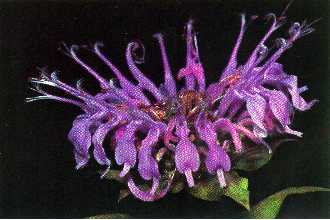
wild bergamot
Monarda fistulosa L.
Traditional Food Use
a love charm Delicious mushroom is collected in early spring and them eaten fresh or
Medicinal Documentation
Crumpled the leaves and mixed them with spittle. The infusion of crushed flowers applied to the skin to soothe insect bites and stings. Dried and powdered plant is used to rub over the head for headaches
Dried and powdered plant is used to rub over the body for curing fever
Dried and powdered plant is used as a remedy for sore eyes
Dried and powdered plant is used for colds
Ceremonial & Cultural Notes
Artifacts/Material use: Leaves chewed and used as horse perfume. Men would perfume the manes and tails of their favorite horses. Additional commentary: This mint was, in older days, used as incense when mixed with Abies lasioscarpa, although it is unclear how medicinal or purifying this may have been. Under the name M. menthefolia, this plant is mentioned for its ceremonial use. It also apparently also holds uses as a dermatological aid and in veterinary medicine.479
Botanical Reference
Parts Documented: leaves
Distribution: Native to North American Plains; widespread regional distribution; Prairie hillsides, stream banks, usually in rocky soils; moist to moderately dry, open sites; plains to montane; Alberta, Canada to New Mexico