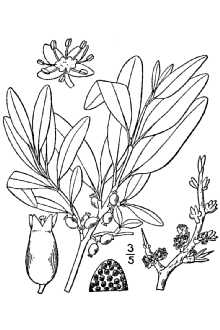
silver buffaloberry
Lepargyrea argentea (Pursh) Greene
Traditional Food Use
Berries used to make jelly. | Berries dried for winter use
Berries boiled, flour and sugar added and eaten as a pudding
Berries formally used as food.
Berries used to make jelly | Berries dried for winter use.
Medicinal Documentation
are also mildly laxative Children sometimes use the resin as chewing gum.
The fruits were dried, pulverized and used as an ingredient in medicinal mixtures.
Ceremonial & Cultural Notes
The branches, more specifically, young shoots without thorns would be used to make the altar in the Sun Dance
Women in a berry basket gather the berries. The berries are placed in water so the leaves would rise to the top and the berries sink to the bottom. The berries were then dried in the sun and stored in sacks for winter use.145
Commentary: According to Murphey, Auch-ha—hay-be-na refers to the Russet Buffalo berry, no thorns, with brown, ripe berries.217 The Little Beaver River, located in the North Park area was referred to as Honooxeoheb-isii’-iini or “Buffalo Berry Bushes.”218
Botanical Reference
Parts Documented: sap_or_resin, whole plant, Berries, Berries.