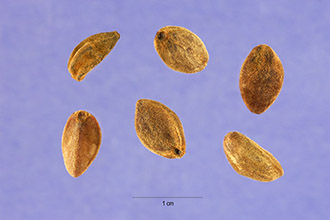
bush morning-glory
Ipomoea leptophylla Torr.
Traditional Food Use
Root roasted for food when pressed by hunger Additional commentary: Dr. Edward Palmer, a scientist and explorer on the western frontier wrote in 1871 that: This showing plant of the dry deserts of the West is commonly called man root, or man of the earth, similar on size and shape to a man’s body. The Cheyenne, Arapahoes, and Kiowas roast it for food when pressed by hunger, but it is by no means palatable or nutritious. Its enormous size and depth make its extraction by ordinary Indian implements a work of much difficulty.355
Root roasted for food when pressed by hunger
Root roasted for food when pressed by hunger
Ceremonial & Cultural Notes
Commentary: Dr. Edward Palmer, an scientist and explorer on the western frontier wrote in 1871 that: “This showing plant of the dry deserts of the West is commonly called man root, or man of the earth, similar on size and shape to a man’s body. The Cheyenne, Arapahoes, and Kiowas roast it for food when pressed by hunger, but it is by no means palatable or nutritious. Its enormous size and depth make its extraction by ordinary Indian implements a work of much difficulty.”108
Botanical Reference
Parts Documented: root
Distribution: Found from South Dakota to Montana, south to Texas and into New Mexico