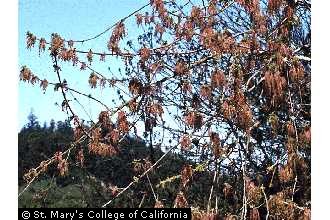
boxelder
Acer negundo L.
Traditional Food Use
the seeds boiled A decoction of the bark is used to dye hides. The sap is sometimes collected and used as a sweetener or refreshing beverage.
Sap boiled, mixed with shavings from inner sides of animal hides and eaten as candy
Ceremonial & Cultural Notes
Commentary: Hayden identifies the plant a Negundo aceroides along with the name Ha-hu-is.4
Wood burned as incense for making spiritual medicines. Additional commentary: Box-elder held a functional purpose in the realm of medicine. It has long been esteemed for the sweet smell and persistence of it burning coals. According to ethnographic information from Northern Cheyenne elders, box-elder coals are preferred for burning incense in the making of medicine, and in the Sun Dance lodge to light the pipe. Furthermore, bowls made of box-elder have been used specifically for mixing medicine or as a sacred eating bowl since the time when metal, plastic and other mass-produced or commodity implements have become common.12
Wood burned during Sundance ceremonies.
Artifacts/Material use: Wood is used in the manufacture of bowls
Artifacts/Material use: Wood is burned for heating fuel and used in cooking meat.
Wood burned in the altar fire of the peyote ceremony
Botanical Reference
Parts Documented: seed, bark, sap_or_resin, Not specified in the literature, sap, wood
Distribution: Native to North American Plains; widespread regional distribution; Found in moist, sheltered locations, the foothills to montane regions. The tree is distributed from central British Columbia, Canada to New Mexico