Traditional Poultices: Topical Healing
Direct Contact
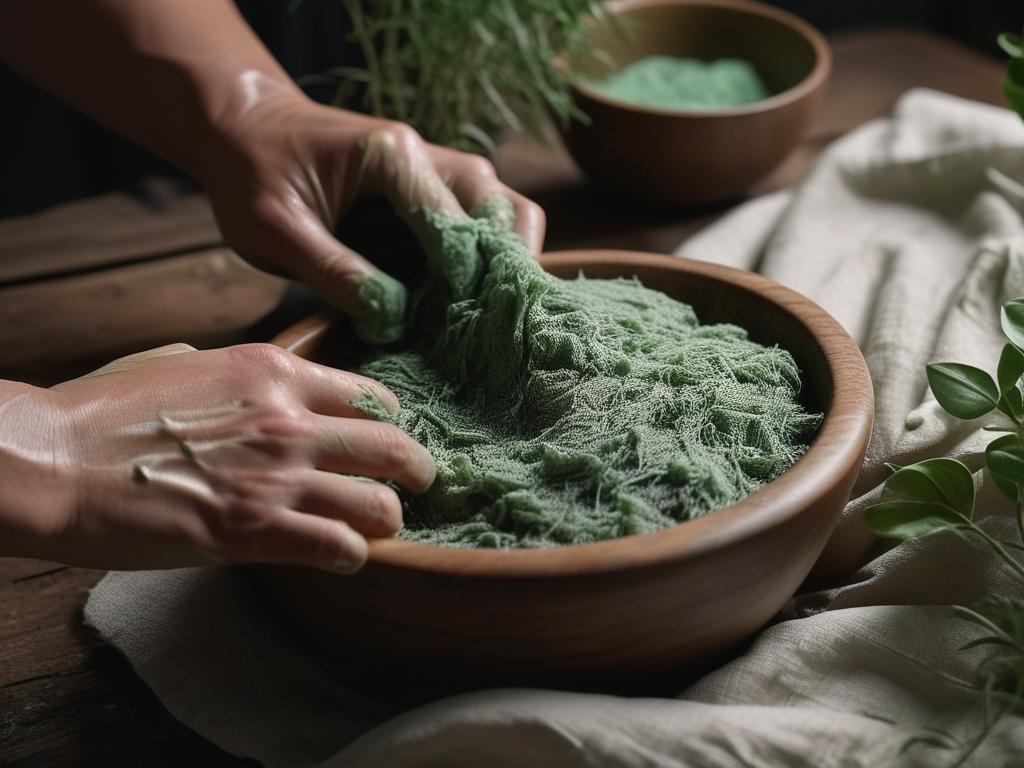
While teas and smokes acted from the inside out, the poultice was the primary tool for external healing. By crushing fresh or rehydrated plant material into a mash and applying it directly to the skin, traditional healers delivered localized, high-potency medicine to wounds, stings, and inflammations.
Types of Poultices
1. The Fresh Mash
Used when the plant was in season and moisture content was high.
- Yarrow (Phéži-ȟóta-ápis): The fresh leaves were often chewed or crushed until succulent and applied directly to bleeding wounds. Yarrow contains achilleine, a powerful hemostatic agent that stops blood flow.
- Prickly Pear (Uŋpȟáŋ): The inner flesh of the pad, once the spines were removed, served as a natural “bandage” and anti-inflammatory for deep cuts and burns.
2. The Rehydrated Paste
Used during the winter months when only dried stores were available.
- Method: Dried roots or leaves were pounded into a fine powder and then mixed with a small amount of warm water or animal fat (like buffalo tallow) to create a thick paste.
- Benefits: Fats helped the medicine penetrate the skin more deeply and kept the poultice from drying out too quickly.
3. The “Drawing” Poultice
Certain plants were used specifically to “draw” or “pull” infection and foreign objects (like splinters) from the skin.
- Narrow-leaf Echinacea: The root, when chewed and applied as a poultice, was famous across the plains for treating snakebites and septic wounds.
Application and Wrapping
A poultice was only effective if it remained in contact with the skin. Traditional “bandages” included:
- Soft Tanned Deer Skin: Breathable and gentle on sensitive skin.
- Large Leaves: Certain plants like Sunflower or Dock leaves could be used to wrap a smaller poultice in place.
- Animal Intestine (Gut): Used for waterproof wraps in damp environments.
Heat vs. Cold
- Warm Poultices: Used for “ripening” boils or easing muscle aches. The heat increased blood flow to the area.
- Cold Poultices: Used for fresh burns, stings, or acute swelling to constrict vessels and numb pain.
Ethical Note
Traditional practitioners often cautioned against leaving a “drawing” poultice on for too long, as it could eventually irritate the healthy skin around the wound. The wisdom of the poultice lay in knowing when the “spirit of the sickness” had been pulled out and it was time to let the skin breathe and heal.
Next in our Preparation Series: Smoking and Smudging: The Botany of Air.