Smoking & Smudging: The Botany of Air
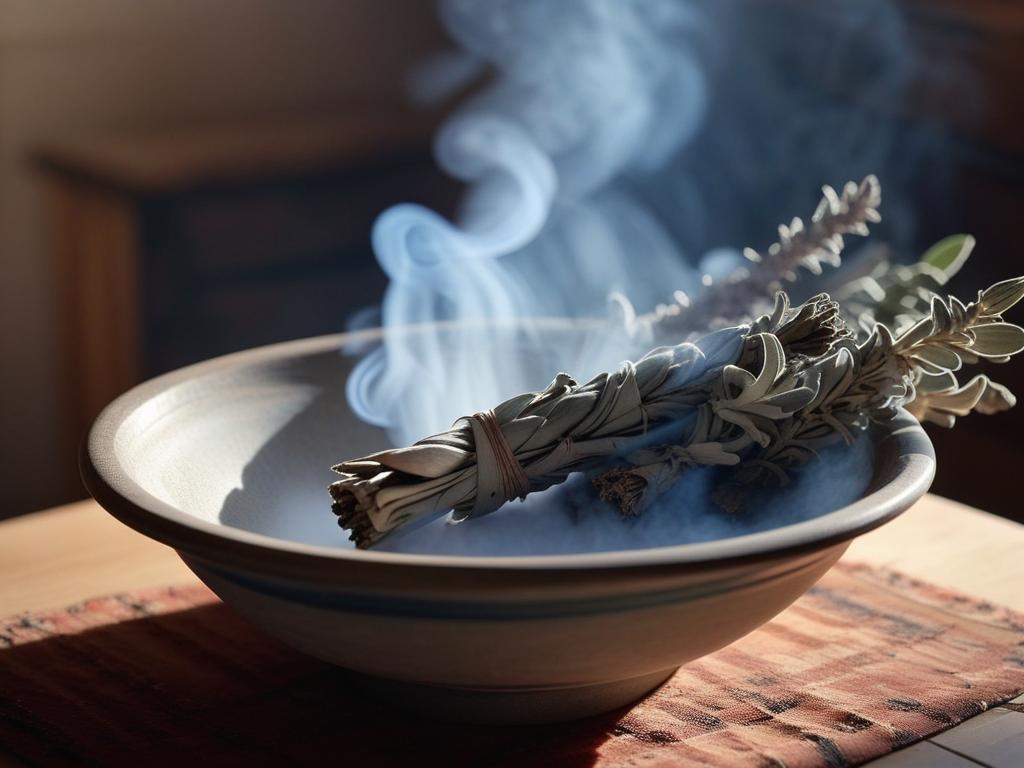
The Bridge to the Spirit
On the Great Plains, smoke was considered the most refined state of matter—a bridge between the physical world and the spirit realm. The Preparation of Smoke was a precise art, involving specific botanical blends for prayer, purification, and the treatment of respiratory ailments.
Smudging: The Act of Purification
Smudging is the ritual burning of plants to produce a thick, fragrant smoke used for cleansing objects, people, and spaces.
- White Sage (Pȟežíȟóta): Perhaps the most iconic smudging plant. Its antimicrobial properties are supported by modern science, as its smoke can significantly reduce airborne bacteria.
- Sweetgrass (Wachanga): Often braided and dried. Its smoke represents the “hair of Mother Earth” and is used to attract positive energy and kindness after the sage has cleared away the negative.
- Cedar (Ḫanté): The smoke of the cedar was often used to protect a home or to “wash” someone returning from a difficult trial or battle.
Kinnikinnick: The Traditional Smoking Blend
The term “Kinnikinnick” comes from an Algonquian word meaning “that which is mixed.” It refers to the complex blends of plants used in the sacred pipe (Čhaŋnúŋpa).
- Red Willow Bark (Čháŋšaša): The inner bark of the Red-osier Dogwood was the primary carrier. It provided a smooth, non-narcotic base.
- Bearberry (Arctostaphylos uva-ursi): The leathery leaves of the bearberry added body and a subtle sweetness to the smoke.
- Sumac Leaves: Added for their sharp, tanning-like quality and to help the blend burn evenly.
Noticeably absent from many traditional blends was high-nicotine commercial tobacco. Traditional tobacco (Nicotiana quadrivalvis) was far more potent and used in very small, ceremonial amounts.
Medicinal Smoking
Beyond ceremony, smoke was a direct delivery system for lung and throat issues.
- Mullein Leaves: Though a later introduction, many tribes adopted it. The smoke of mullein leaves was inhaled to soothe the bronchial tubes and act as an expectorant.
- Balsam Fir & Spruce Resin: Dropped onto hot coals, the rising resinous smoke was used to clear sinus congestion and head colds.
The Ethics of the Breath
Smoke was never intended to be “held” in the lungs in the manner of recreational smoking. It was a medium of communication. The rising smoke carried the intentions and prayers of the people upward. To prepare these plants with anything less than total focus was considered a failure of the preparation process.
Next in our Preparation Series: Storage and Caches: Defeating Time.