The Foundations of Indigenous Foodways
Introduction
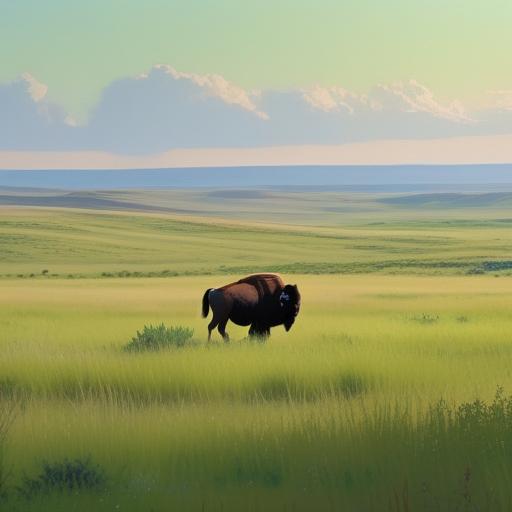
The Great Plains of North America are often viewed by outsiders as a vast, uniform sea of grass. However, to the indigenous nations who have inhabited this region for millennia—the Lakota, Cheyenne, Arapaho, Pawnee, Kiowa, and many others—the plains are a diverse and intricate mosaic of ecosystems, each offering a distinct array of food resources. Traditional indigenous foodways were not merely about survival; they were sophisticated systems of landscape management, seasonal movement, and cultural practice that ensured long-term food security and health.
In this exploration, we examine the foundational principles of indigenous foodways on the plains, focusing on how communal knowledge, spiritual respect, and ecological understanding combined to create a resilient and sustainable way of life.
The Seasonal Round
The concept of the “Seasonal Round” is central to understanding plains life. Unlike settled agricultural societies, plains nations moved in concert with the natural cycles of the landscape. This migration was not random wandering; it was a highly planned sequence of movements designed to coincide with the peak availability of various resources.
Spring: The Time of Rebirth and Greens
As the snow receded and the first warmth touched the prairie, the spring migration began. This was a critical time, as winter stores were often depleted. The first foods were the “spring greens”—the tender shoots of wild onion (Allium spp.), prairie clover (Dalea spp.), and the early stems of various thistles. These greens provided vital vitamins, particularly Vitamin C, after a winter of heavy reliance on dried meat.
Summer: The Season of Plenty
Summer was the time of high energy and massive communal effort. It was the season of the bison hunts, but also the time when the greatest variety of fruits and berries reached maturity. Serviceberries (Amelanchier alnifolia), buffalo berries (Shepherdia argentea), and chokeberries were harvested en masse. These fruits were often pounded, dried into cakes, or mixed with tallow and dried meat to create pemmican, the ultimate survival food.
Autumn: The Harvest and Preparation
Autumn focused on the harvest of underground resources and the final preparation for winter. The prairie turnip (Psoralea esculenta)—perhaps the most important vegetable root on the plains—was dug in large quantities. Roots were peeled, braided together, and hung to dry, providing a stable carbohydrate source that could last for years if kept dry.
Winter: The Time of Stories and Storage
In winter, tribes moved to sheltered woodlots along river bottoms. Here, they relied on the stores they had built up throughout the year. Winter was a time of relative stillness, but also the time for passing on the knowledge of the foodways through oral tradition. Elders taught the youth not just how to identify plants, but the stories and ethics associated with them.
Landscape Management
A common misconception is that indigenous peoples were merely “gatherers” of wild plants. In reality, they were active managers of the landscape.
Fire as a Tool
Most plains tribes utilized controlled burning to manage the prairie. Fire cleared away dead thatch, returned nutrients to the soil, and stimulated the growth of fresh green grass that attracted bison. Furthermore, many food plants, such as the prairie turnip, thrive in the open, sun-drenched environments created by fire.
Selective Harvesting
Traditional ethics dictated that one should never take the first plant found, nor the last. By leaving a portion of the harvest, and often “replanting” seeds or root fragments (as seen with certain wild onions), indigenous gatherers ensured that the plant populations remained healthy and productive.
The Ethics of Reciprocity
Perhaps the most defining feature of indigenous foodways is the element of reciprocity. Food was seen as a gift from the earth, and its harvest required an expression of gratitude.
Many tribes practiced “making an offering”—often tobacco, cornmeal, or a simple prayer—before beginning a harvest. This was not just a religious ritual; it was a psychological and cultural reinforcement of the idea that humans are a part of the ecosystem, not masters of it. If one takes, one must also give back or at least acknowledge the life that has been given for the sustenance of the people.
Conclusion
The indigenous foodways of the Great Plains were a testament to the deep intelligence and resilience of the human spirit. They were systems that integrated the physical needs of the body with the spiritual needs of the community and the ecological realities of the land. In today’s world of industrial agriculture and globalized food chains, there is much to be learned from these age-old traditions of local, seasonal, and respectful living.
This article is part of our series on Indigenous Foodways. Upcoming explorations will delve into the specifics of Root Crops, Berries, and the science of Pemmican.